
Состав:
Применение:
Применяется при лечении:
Абсцесс,Блефарит,Гонорея,Дерматит,Дерматит,Контактный,Импетиго,Инфекция,Инфекция,Кожа,Кератит,Паронихия,Пневмония,Ссадины,Фолликулит
Страница осмотрена фармацевтом Милитян Инессой Месроповной Последнее обновление 2022-03-25


Внимание!
Информация на странице предназначена только для медицинских работников!
Информация собрана в открытых источниках и может содержать значимые ошибки!
Будьте внимательны и перепроверяйте всю информацию с этой страницы!
Топ 20 лекарств с такими-же компонентами:
Топ 20 лекарств с таким-же применением:
Предоставленная в разделе Stafineинформация составлена на основе данных о другом лекарстве с точно таким же составом как лекарство Stafine. Будьте
внимательны и обязательно уточняйте информацию по разделу
в инструкции к лекарству Stafine непосредственно из упаковки или у фармацевта в аптеке.
more…
Stafine
Терапевтические показания
Предоставленная в разделе Терапевтические показания Stafineинформация составлена на основе данных о другом лекарстве с точно таким же составом как лекарство Stafine. Будьте
внимательны и обязательно уточняйте информацию по разделу Терапевтические показания
в инструкции к лекарству Stafine непосредственно из упаковки или у фармацевта в аптеке.
more…
Крем для наружного применения; Мазь для наружного применения
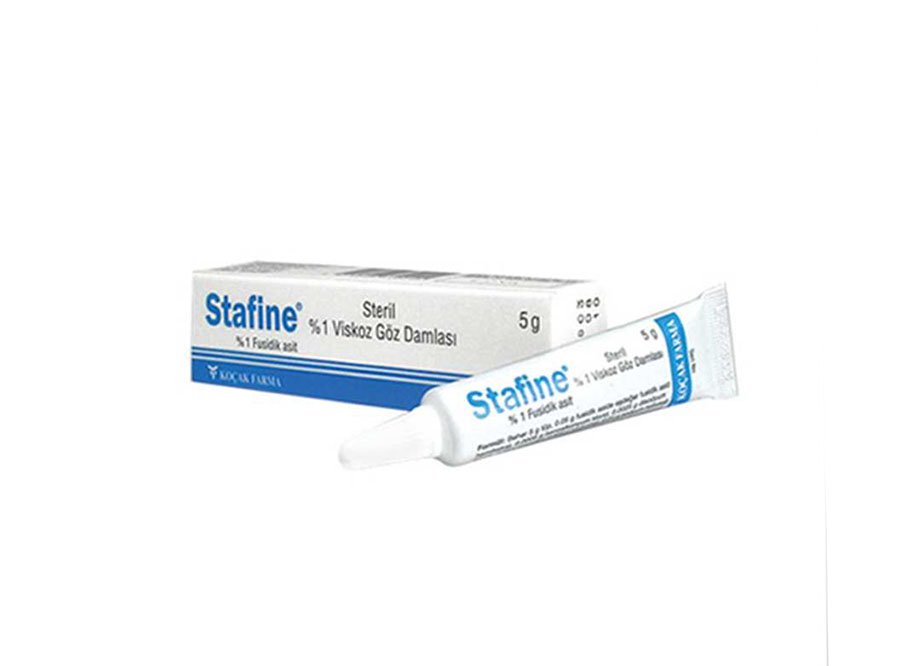
Капли глазные
Таблетки, покрытые оболочкой
Кожные инфекции, вызванные бактериями, чувствительными к фузидовой кислоте.
Бактериальные инфекции глаз: конъюнктивит; блефарит; кератит; дакриоцистит.
Септицемия, пневмония, отит, абсцессы, флегмоны, фурункулез, инфицированные ожоги и раны, инфекции мягких тканей, остеомиелит и др., гонорея, вызванная устойчивыми к бензилпенициллину штаммами гонококка, или при повышенной чувствительности больного к пенициллинам.
Способ применения и дозы
Предоставленная в разделе Способ применения и дозы Stafineинформация составлена на основе данных о другом лекарстве с точно таким же составом как лекарство Stafine. Будьте
внимательны и обязательно уточняйте информацию по разделу Способ применения и дозы
в инструкции к лекарству Stafine непосредственно из упаковки или у фармацевта в аптеке.
more…
Крем для наружного применения; Мазь для наружного применения
Капли глазные
Таблетки, покрытые оболочкой
Наружно.
Взрослые и дети с рождения до 18 лет. Наносят на пораженные участки кожи тонким слоем 3–4 раза в день.
При использовании марлевых повязок частота нанесения может быть уменьшена до 1–2 раз в день.
Продолжительность лечения зависит от формы и тяжести заболевания и в среднем составляет 7–14 дней.
Конъюнктивально. По 1 капле в конъюнктивальную полость пораженного глаза 2 раза в день в течение 7 дней.
В случае отсутствия положительной динамики в течение 7 дней применения препарата следует пересмотреть терапию, используя другие ЛС.
Внутрь, после еды. Взрослым разовая доза составляет обычно — 0,5 г, суточная — 1,5 г в 3 приема с интервалом 8 ч. Средняя продолжительность курса — 7–14 дней, при остеомиелите — 2–3 нед. Детям назначают из расчета 40–60 мг/кг, а при тяжелом течении болезни — до 80 мг/кг /сут.
Противопоказания
Предоставленная в разделе Противопоказания Stafineинформация составлена на основе данных о другом лекарстве с точно таким же составом как лекарство Stafine. Будьте
внимательны и обязательно уточняйте информацию по разделу Противопоказания
в инструкции к лекарству Stafine непосредственно из упаковки или у фармацевта в аптеке.
more…
Крем для наружного применения; Мазь для наружного применения
Капли глазные
Таблетки, покрытые оболочкой
Гиперчувствительность к компонентам препарата.
С осторожностью: беременность, период лактации.
Индивидуальная повышенная чувствительность к компонентам препарата. Консервант (бензалкония хлорид) является потенциальным аллергеном.
Гиперчувствительность.
Побочные эффекты
Предоставленная в разделе Побочные эффекты Stafineинформация составлена на основе данных о другом лекарстве с точно таким же составом как лекарство Stafine. Будьте
внимательны и обязательно уточняйте информацию по разделу Побочные эффекты
в инструкции к лекарству Stafine непосредственно из упаковки или у фармацевта в аптеке.
more…
Крем для наружного применения; Мазь для наружного применения
Капли глазные
Таблетки, покрытые оболочкой
Ниже приводятся данные о неблагоприятных побочных реакциях, в зависимости от частоты из возникновения: очень часто — ≥1/10; часто — ≥1/100, <1/10; нечасто — ≥1/1000, <1/100; редко — ≥1/10000, <1/1000; очень редко — <1/10000.
Со стороны кожи и подкожных тканей: нечасто — сыпь (эритематозная, макулопапулезная, пустулезная), раздражение кожи, включая боль, чувство жжения, чувство покалывания на коже, зуд, сухость кожи, контактный дерматит; редко — крапивница, ангионевротический отек, экзема, периорбитальный отек, эритема.
Со стороны иммунной системы: редко — аллергические реакции.
Со стороны органа зрения: редко — раздражение конъюнктивы.
Если любые из указанных в инструкции побочных эффектов усугубляются, или пациент заметил любые другие побочные эффекты, не указанные в инструкции, следует сообщить об этом врачу.
Редко — аллергические реакции в виде отека фолликулов переходной складки конъюнктивы и крапивницы. Возможны — зуд, жжение, конъюнктивальная гиперемия, болезненность, слезотечение, отек век, обострение конъюнктивита.
Терапия Фуциталмиком должна быть прекращена в случае появления признаков гиперчувствительности к препарату.
Боль в животе, тошнота, рвота, понос, обусловленные местным раздражающим действием препарата на слизистую оболочку ЖКТ; аллергические явления (покраснение слизистой оболочки ротовой полости и глотки, боль при глотании, кожные сыпи).
Передозировка
Предоставленная в разделе Передозировка Stafineинформация составлена на основе данных о другом лекарстве с точно таким же составом как лекарство Stafine. Будьте
внимательны и обязательно уточняйте информацию по разделу Передозировка
в инструкции к лекарству Stafine непосредственно из упаковки или у фармацевта в аптеке.
more…
Крем для наружного применения; Мазь для наружного применения
Капли глазные
Маловероятна.
Данные отсутствуют.
Фармакодинамика
Предоставленная в разделе Фармакодинамика Stafineинформация составлена на основе данных о другом лекарстве с точно таким же составом как лекарство Stafine. Будьте
внимательны и обязательно уточняйте информацию по разделу Фармакодинамика
в инструкции к лекарству Stafine непосредственно из упаковки или у фармацевта в аптеке.
more…
Крем для наружного применения; Мазь для наружного применения
Капли глазные
Бактериостатический антибиотик.
Фузидовая кислота относится к группе фузидинов, антимикробных соединений, механизм действия которых связан с нарушением синтеза белка в бактериальной клетке.
К фузидовой кислоте чувствительны грамположительные бактерии и грамотрицательные кокки, например Staphylococcus aureus, Staphylococcus epidermidis (включая метициллинрезистентные штаммы), Nocardia asteroides, Corynebacterium minutissimum, Streptococcus pyogenes, Pseudomonas spp., Clostridium spp., Neisseria meningitidis, Neisseria gonorrhoeae.
Неактивен в отношении Escherichia coli, Salmonella spp., Proteus spp. и других грамотрицательных бактерий, а также простейших и грибов.
Фузидиевая кислота относится к группе фузидинов, антимикробных соединений, механизм действия которых связан с нарушением синтеза белка в бактериальной клетке. Блокируя элонгацию фактора G, они предотвращают его связывание с рибосомами и гуанозинтрифосфатом, что прерывает высвобождение энергии, необходимой для синтеза белка и приводит к гибели бактериальной клетки.
К фузидиевой кислоте чувствительны следующие микроорганизмы, наиболее часто вызывающие глазные инфекции: Staphylococcus aureus, Streptococcus pneumoniae, Haemophilus influenzae.
Enterobacteriaceae и Pseudomonas устойчивы к действию фузидиевой кислоты.
Фармакокинетика
Предоставленная в разделе Фармакокинетика Stafineинформация составлена на основе данных о другом лекарстве с точно таким же составом как лекарство Stafine. Будьте
внимательны и обязательно уточняйте информацию по разделу Фармакокинетика
в инструкции к лекарству Stafine непосредственно из упаковки или у фармацевта в аптеке.
more…
Крем для наружного применения; Мазь для наружного применения
Капли глазные
Таблетки, покрытые оболочкой
Проницаемость фузидовой кислоты через интактную кожу низкая. В системный кровоток не попадает.
Лекарственная форма Фуциталмика в виде вязких глазных капель обеспечивает длительный контакт препарата с конъюнктивой и достаточную концентрацию фузидиевой кислоты в слезной жидкости при условии применения 2 раза в сутки. Через 1, 3, 6 и 12 ч после применения однократной дозы Фуциталмика средняя концентрация фузидиевой кислоты в слезной жидкости составляет 15,7; 15,2; 10,5 и 5,6 мкг/мл соответственно. Во внутриглазной жидкости концентрация фузидиевой кислоты, равная 0,3 мкг/мл (после однократного применения) и 0,8 мкг/мл (после повторного применения), достигается в течение 1 ч после применения и поддерживается, по крайней мере, в течение 12 ч, при этом фузидиевая кислота в сыворотке крови не определяется.
При длительном применении может наблюдаться кумуляция. При введении внутрь хорошо всасывается и достигает в крови высоких концентраций. Проникает в кожу, подкожную клетчатку, легкие, печеночную ткань, кости, плевральный экссудат, хрящевую и соединительные ткани. Из организма выводится, в основном, с желчью и, в меньшей степени, с мочой.
Фармокологическая группа
Предоставленная в разделе Фармокологическая группа Stafineинформация составлена на основе данных о другом лекарстве с точно таким же составом как лекарство Stafine. Будьте
внимательны и обязательно уточняйте информацию по разделу Фармокологическая группа
в инструкции к лекарству Stafine непосредственно из упаковки или у фармацевта в аптеке.
more…
Крем для наружного применения; Мазь для наружного применения
Капли глазные
Таблетки, покрытые оболочкой
- Антибиотик полициклической структуры [Другие антибиотики]
- Антибиотик полициклической структуры [Другие антибиотики]
- Офтальмологические средства
- Другие антибиотики
Взаимодействие
Предоставленная в разделе Взаимодействие Stafineинформация составлена на основе данных о другом лекарстве с точно таким же составом как лекарство Stafine. Будьте
внимательны и обязательно уточняйте информацию по разделу Взаимодействие
в инструкции к лекарству Stafine непосредственно из упаковки или у фармацевта в аптеке.
more…
Крем для наружного применения; Мазь для наружного применения
Капли глазные
Таблетки, покрытые оболочкой
Не выявлено.
Данные отсутствуют.
Другие антибиотики значительно усиливают действие фузидин-натрия на чувствительные к нему микроорганизмы.
Stafine цена
У нас нет точных данных по стоимости лекарства.
Однако мы предоставим данные по каждому действующему веществу
Средняя стоимость Fusidic Acid 2 % за единицу в онлайн аптеках от 18.7$ до 28.07$, за упаковку от 25$ до 61$.
Источники:
- https://www.drugs.com/search.php?searchterm=stafine
- https://pubmed.ncbi.nlm.nih.gov/?term=stafine
Доступно в странах
Найти в стране:
А
Б
В
Г
Д
Е
З
И
Й
К
Л
М
Н
О
П
Р
С
Т
У
Ф
Х
Ч
Ш
Э
Ю
Я
Components:
Method of action:
Treatment option:
Abscess,Blepharitis,Gonorrhea,Dermatitis,Dermatitis,Contact,Impetigo,Infection,Infection,Skin,Keratitis,Paronychia,Pneumonia,Abrasion,Folliculitis
Medically reviewed by Militian Inessa Mesropovna, PharmD. Last updated on 2022-03-25

Attention!
Information on this page is intended only for medical professionals!
Information is collected in open sources and may contain significant errors!
Be careful and double-check all the information on this page!
Top 20 medicines with the same components:
Top 20 medicines with the same treatments:
The information provided in of Stafine
is based on data of another medicine with exactly the same composition as the Stafine.
. Be careful and be sure to specify the information on the section in the instructions to the drug Stafine directly from the package or from the pharmacist at the pharmacy.
more…
Stafine
The information provided in of Stafine
is based on data of another medicine with exactly the same composition as the Stafine.
. Be careful and be sure to specify the information on the section in the instructions to the drug Stafine directly from the package or from the pharmacist at the pharmacy.
more…
Fusidic Acid
Therapeutic indications
The information provided in Therapeutic indications of Stafine
is based on data of another medicine with exactly the same composition as the Stafine.
. Be careful and be sure to specify the information on the section Therapeutic indications in the instructions to the drug Stafine directly from the package or from the pharmacist at the pharmacy.
more…
Standard powder sample; Substance-powder
Cream for external use; Ointment for external use
Treatment of non-severe, superficial, non-extensive, primary skin infections caused by microorganisms that are sensitive to Stafine, especially of infections caused by Staphylococcus.
Primary skin infections that may be expected to respond to treatment with Stafine applied topically include: impetigo contagiosa, superficial folliculitis, sycosis barbae, paronychia and erythrasma.
Consideration should be given to official guidance on the appropriate use of antibacterial agents..
Stafine 20 mg/g cream is indicated either alone or in combination with systemic therapy, in the treatment of primary and secondary skin infections caused by sensitive strains of Staphylococcus aureus, Streptococcus spp and Corynebacterium minutissimum. Primary skin infections that may be expected to respond to treatment with fusidic acid applied topically include: impetigo contagiosa, superficial folliculitis, sycosis barbae, paronychia and erythrasma; also such secondary skin infections as infected eczematoid dermatitis, infected contact dermatitis and infected cuts/abrasions.
Dosage (Posology) and method of administration
The information provided in Dosage (Posology) and method of administration of Stafine
is based on data of another medicine with exactly the same composition as the Stafine.
. Be careful and be sure to specify the information on the section Dosage (Posology) and method of administration in the instructions to the drug Stafine directly from the package or from the pharmacist at the pharmacy.
more…
Standard powder sample; Substance-powder
Cream for external use; Ointment for external use
Posology
Adults and children:
Uncovered lesions: apply gently three or four times daily.
Covered lesions: less frequent applications may be adequate.
Method of administration:
Cutaneous use
Posology
Adults and Paediatric population
Uncovered lesions — apply gently three or four times daily.
Covered lesions — less frequent applications may be adequate.
Method of administration
Cutaneous use.
Contraindications
The information provided in Contraindications of Stafine
is based on data of another medicine with exactly the same composition as the Stafine.
. Be careful and be sure to specify the information on the section Contraindications in the instructions to the drug Stafine directly from the package or from the pharmacist at the pharmacy.
more…
Standard powder sample; Substance-powder
Cream for external use; Ointment for external use
Stafine 20 mg/g cream is contraindicated in patients with known hypersensitivity to Stafine or to any of the excipients used in the product.
Special warnings and precautions for use
The information provided in Special warnings and precautions for use of Stafine
is based on data of another medicine with exactly the same composition as the Stafine.
. Be careful and be sure to specify the information on the section Special warnings and precautions for use in the instructions to the drug Stafine directly from the package or from the pharmacist at the pharmacy.
more…
Standard powder sample; Substance-powder
Cream for external use; Ointment for external use
Bacterial resistance has been reported to occur with the use of Stafine.
Extended or recurrent use may increase the risk of developing contact sensitisation.
When Stafine 20 mg/g cream is used on the face, care should be taken to avoid the eyes, because Stafine can cause irritation of the conjunctiva.
Stafine 20 mg/g cream contains butylhydroxyanisole, cetyl alcohol and potassium sorbate which may cause local skin reactions (e.g. contact dermatitis). Butylhydroxyanisole may also cause irritation to the eyes and mucous membranes.
Bacterial resistance among staphylococcus aureus has been reported to occur with the use of topical Stafine. As with all antibiotics, extended or recurrent use may increase the risk of developing antibiotic resistance.
Extended or recurrent use may increase the risk of developing contact sensitisation.
Stafine cream contains butylhydroxyanisole, cetyl alcohol and potassium sorbate. These excipients may cause local skin reactions (e.g. contact dermatitis). Butylhydroxyanisole may also cause irritation to the eyes and mucous membranes. Stafine cream should therefore be used with care when applied in the proximity of the eyes.
Effects on ability to drive and use machines
The information provided in Effects on ability to drive and use machines of Stafine
is based on data of another medicine with exactly the same composition as the Stafine.
. Be careful and be sure to specify the information on the section Effects on ability to drive and use machines in the instructions to the drug Stafine directly from the package or from the pharmacist at the pharmacy.
more…
Standard powder sample; Substance-powder
Cream for external use; Ointment for external use
Stafine cream has no or negligible influence on the ability to drive and use machines.
Stafine administered topically has no or negligible influence on the ability to drive and use machines.
Undesirable effects
The information provided in Undesirable effects of Stafine
is based on data of another medicine with exactly the same composition as the Stafine.
. Be careful and be sure to specify the information on the section Undesirable effects in the instructions to the drug Stafine directly from the package or from the pharmacist at the pharmacy.
more…
Standard powder sample; Substance-powder
Cream for external use; Ointment for external use
The estimation of the frequency of undesirable effects is based on a pooled analysis of data from clinical trials and from spontaneous reporting,
Based on pooled data from clinical studies including 4754 patients who received Stafine 20mg/g cream or Stafine ointment, the frequency of undesirable effects is 2.3%.
The most frequently reported adverse reactions during treatment are various skin reactions such as pruritus and rash, followed by application site conditions such as pain and irritation, which all occurred in less than 1% of patients.
Hypersensitivity and angioedema have been reported.
Undesirable effects are listed by MeDRA (SOC) and the individual undesirable effects are listed starting with the most frequently reported.
Very common > 1/10
Common >1/100 and <1/10
Uncommon >1/1,000 and <1/100
Rare >1/10,000 and <1/1,000
Very rare <1/10,000
Not known (cannot be estimated from the available data).
Side effects are classified according to organ system, and within each organ, grouped by frequency.
— Immune system disorders
Rare
Hypersensitivity
— Eye disorders
Rare
Conjunctivitis
— Skin and subcutaneous tissue disorders
Uncommon:
Dermatitis (incl. dermatitis contact, eczema) Rash*
Pruritus
Erythema
*Various types of rash reactions such as erythematous, pustular, vesicular, macula-papular and popular have been reported. Rash generalised has also occurred.
Rare
Angioedema
Urticaria
Blister
— General disorders and administration site conditions
Uncommon
Application site pain (incl. skin burning sensation)
Application site irritation
Paediatric population
Frequency, type and severity of adverse reactions in children are expected to be the same as in adults.
Reporting of suspected adverse reactions
Reporting suspected adverse reaction after authorisation of the medicinal product is important. It allows continued monitoring of the benefit/risk balance of the medicinal product. Healthcare professionals are asked to report any suspected adverse reactions via the Yellow Card Scheme Website: www.mhra.gov.uk/yellowcard.
The estimation of the frequency of undesirable effects is based on a pooled analysis of data from clinical trials and from spontaneous reporting.
Based on pooled data from clinical studies including 4724 patients who received Stafine cream or Stafine ointment, the frequency of undesirable effects is 2.3%.
The most frequently reported adverse reactions during treatment are various skin reactions such as pruritus and rash, followed by application site conditions such as pain and irritation, which all occurred in less than 1% of patients.
Hypersensitivity and angioedema have been reported.
Undesirable effects are listed by MedDRA System Organ Class (SOC) and the individual undesirable effects are listed, starting with the most frequently reported. Within each frequency grouping, adverse reactions are presented in order of decreasing seriousness.
Very common >1/10
Common >1/100 and <1/10
Uncommon >1/1,000 and <1/100
Rare >1/10,000 and <1/1,000
Very rare <1/10,000
|
Immune system disorders |
|
|
Rare (>1/10,000 and <1/1,000) |
Hypersensitivity |
|
Eye disorders |
|
|
Rare (>1/10,000 and <1/1,000) |
Conjunctivitis |
|
Skin and subcutaneous tissue disorders |
|
|
Uncommon (>1/1,000 and <1/100) |
Dermatitis (including dermatitis contact, eczema) Rash* Pruritus Erythema *Various types of rash reactions such as erythematous, pustular, vesicular, maculo-papular and papular have been reported. Rash generalised has also occurred. |
|
Rare (>1/10,000 and <1/1,000) |
Angioedema Urticaria Blister |
|
General disorders and administration site conditions |
|
|
Uncommon (>1/1,000 and <1/100) |
Application site pain (including skin burning sensation) Application site irritation |
Paediatric population
Frequency, type and severity of adverse reactions in children are expected to be the same as in adults.
Reporting of suspected adverse reactions
Reporting suspected adverse reactions after authorisation of the medicinal product is important. It allows continued monitoring of the benefit/risk balance of the medicinal product. Healthcare professionals are asked to report any suspected adverse reactions via the Yellow Card Scheme at www.mhra.gov.uk/yellowcard.
Overdose
The information provided in Overdose of Stafine
is based on data of another medicine with exactly the same composition as the Stafine.
. Be careful and be sure to specify the information on the section Overdose in the instructions to the drug Stafine directly from the package or from the pharmacist at the pharmacy.
more…
Standard powder sample; Substance-powder
Cream for external use; Ointment for external use
Overdose is unlikely.
Unless hypersensitivity to Stafine or any of the excipients exist, accidental ingestion of Stafine 20mg/g cream is unlikely to cause any harm. The total quantity of Stafine (30g Stafine 20mg/g cream contains 600mg Stafine) will usually not exceed the approved total daily oral dose of Stafine containing products except in children aged less than 1 year and weighing ≤10kg.
Although in this instance a child of this particular age group is unlikely to ingest a whole tube of Stafine 20mg/g cream. The concentration of the excipients is too low to constitute a safety risk.
Overdose is unlikely to occur
Unless hypersensitivity to Fusidic acid or any of the excipients exists, accidental ingestion of Stafine cream is unlikely to cause any harm. The total quantity of fusidic acid (30 g Stafine cream contains 600 mg fusidic acid) will usually not exceed the approved total daily oral dose of fusidic acid containing products except in children aged less than 1 year and weighing ≤ 10 kg. Although in this instance a child of this particular age group is unlikely to ingest a whole tube of Stafine cream. The concentration of the excipients is too low to constitute a safety risk.
Pharmacodynamic properties
The information provided in Pharmacodynamic properties of Stafine
is based on data of another medicine with exactly the same composition as the Stafine.
. Be careful and be sure to specify the information on the section Pharmacodynamic properties in the instructions to the drug Stafine directly from the package or from the pharmacist at the pharmacy.
more…
Standard powder sample; Substance-powder
Cream for external use; Ointment for external use
Pharmacotherapeutic group: other antibiotics for topical use, ATC code: D06AX01
Active mechanism:
Stafine belongs to a unique group of antibiotics, the fusidanes, which act to inhibit bacterial protein synthesis by blocking the lengthening of factor G. This is to prevent it from associating with ribosomes and GTP, thus preventing energy supply to the synthesis process.
As it is the only type of drug available in this family of drugs, there have been no reports of cross resistance to Stafine.
Resistance mechanism(s):
Resistance for Stafine can vary geographically and information about local resistance patterns should be obtained through a local microbiology laboratory. In general, resistance occurs in 1-10 % of Staphylococcus aureus and 10-20 % of coagulase negative staphylococcus. Cross-resistance between Stafine hydrophilic cream 20 mg/g and other antibiotics has not been reported.
Breakpoints:
The following MIC values are recommended to distinguish sensitive and non-sensitive germs: S ≤ 1 µg/ml and R > 1 µg/ml. This breakpoint should be used for the systemic use of Stafine. In general, no breakpoints are established for the topical use of antibiotics.
Sensitivity:
The sensitivity of organisms to Stafine is based on the in vitro sensitivity and plasma concentrations that are achieved after systemic therapy. Local treatment causes higher peak concentrations as compared to plasma. However, it is not known how the kinetics of the cream after local application may change the effectiveness of the cream.
|
Commonly susceptible species |
Staphylococcus aureus and Staphylococcus epidermis (including methycillin resistant and beta lactamase producing strains); Corynebacterium minutissimum; Clostridium spp.; Peptococcus spp.; Peptostreptococcus spp.; Neiseria spp.; Bacteroides fragilis. |
|
Inherently resistant organisms |
Streptococcus pyogenes; Streptococcus pneumoniae; Streptococci viridans; most gram negative bacilli including Haemophilus influenza; Enterobactericeae; Pseudomonas spp.; Escherichia coli and Klebsiella pneumoniae. |
Pharmacotherapeutic group: Other antibiotics for topical use, ATC code: D06AX01
Fusidic acid is a potent antibacterial agent. Fusidic acid and its salts show fat and water solubility and strong surface activity and exhibit unusual ability to penetrate intact skin. Concentrations of 0.03 — 0.12 mcg fusidic acid per ml inhibit nearly all strains of Staphylococcus aureus. Topical application of fusidic acid is also effective against streptococci, corynebacteria, neisseria and certain clostridia.
Pharmacokinetic properties
The information provided in Pharmacokinetic properties of Stafine
is based on data of another medicine with exactly the same composition as the Stafine.
. Be careful and be sure to specify the information on the section Pharmacokinetic properties in the instructions to the drug Stafine directly from the package or from the pharmacist at the pharmacy.
more…
Standard powder sample; Substance-powder
Cream for external use; Ointment for external use
In Vitro studies show that Stafine can penetrate intact human skin. The degree of penetration depends on factors such as the duration of exposure to Stafine and the condition of the skin. Stafine is excreted mainly in the bile with little excreted in the urine.
In vitro studies show that fusidic acid can penetrate intact human skin. The degree of penetration depends on factors such as the duration of exposure to fusidic acid and the condition of the skin. Fusidic acid is excreted mainly in the bile with little excreted in the urine.
Preclinical safety data
The information provided in Preclinical safety data of Stafine
is based on data of another medicine with exactly the same composition as the Stafine.
. Be careful and be sure to specify the information on the section Preclinical safety data in the instructions to the drug Stafine directly from the package or from the pharmacist at the pharmacy.
more…
Standard powder sample; Substance-powder
Cream for external use; Ointment for external use
There are no preclinical data of relevance to the prescriber which are additional to that already included in other sections of the SPC.
There are no pre-clinical data of relevance to the prescriber which are additional to that already included in other sections of the SPC.
Incompatibilities
The information provided in Incompatibilities of Stafine
is based on data of another medicine with exactly the same composition as the Stafine.
. Be careful and be sure to specify the information on the section Incompatibilities in the instructions to the drug Stafine directly from the package or from the pharmacist at the pharmacy.
more…
Not applicable.
Special precautions for disposal and other handling
The information provided in Special precautions for disposal and other handling of Stafine
is based on data of another medicine with exactly the same composition as the Stafine.
. Be careful and be sure to specify the information on the section Special precautions for disposal and other handling in the instructions to the drug Stafine directly from the package or from the pharmacist at the pharmacy.
more…
Standard powder sample; Substance-powder
Cream for external use; Ointment for external use
Stafine price
We have no data on the cost of the drug.
However, we will provide data for each active ingredient
The approximate cost of Fusidic Acid 2 % per unit in online pharmacies is from 18.7$ to 28.07$, per package is from 25$ to 61$.
Available in countries
Find in a country:
What is Stafine Cream? What? How to use? Staphine cream used in the treatment of many skin inflammations; As a powerful antibiotic, it dries out inflammation and restores skin health.
Stafine cream, which has the power to destroy the inflammation caused by sensitive microorganisms in a short time; It prevents bacteria from settling, multiplying and spreading to the skin.
Stafine cream is perfect for inflamed wounds and abscesses; It shows success especially in the treatment of acne, namely inflamed acne.
What is Stafine cream in this article? What does Stafine cream do? We will try to answer your questions and mention the most important points you should pay attention to when using this cream:
Here are the details you need to know about this cream;
Staphine cream that quickly penetrates bacteria and destroys them; As a powerful antibacterial cream, doctors prescribe it to treat skin problems caused by organisms sensitive to fusidic acid.
The ingredients in this cream, which contains 20 mg of fusidic acid as active ingredient in each gram, are potassium sorbate, purified water, cetyl alcohol, hydrochloric acid, liquid petroleum jelly, 100% glycerol, polysorbate 60 and Vaseline flant N.
Stafine cream, one of the most effective antibiotic creams, is available for sale in aluminum tubes of 15 or 20 grams.
What does Stafine cream do? What are the benefits?
The most important benefits of using Stafine cream, which skin diseases it treats can be briefly listed as follows:
- It treats skin infections and skin problems caused by bacteria.
- Eliminate inflamed acne and hair root inflammation in a short time.
- It heals the inflammation seen at the base of the beard in men.
- It is prescribed for the treatment of inflammatory eczema.
- The pus filled from the skin dries up.
- Treat and heal abscesses at the onset of inflammation.
- It treats pronounced entanglement disease characterized by separation of the skin from the nail.
- It treats erythrase disease, one of the infectious skin diseases.
- It is prescribed for the treatment of inflammation of sweat glands such as hydradenitis.
- Remove red or brown spots in the underarm area and inner thighs.
Briefly Stafine cream; inflammatory eczema, acne, obvious tangles, etc. It shows success in the treatment of many skin problems.
How to use Stafine cream?
To get the best results from using this cream and to avoid side effects, you should use it with advice and a prescription.
Before using the cream, you should clean the area where you will apply the cream with plenty of water. Therefore, you should definitely apply the cream to your clean skin.
You should apply the cream to the problem area of your skin with light and gentle movements in a thin layer with a small amount of fingertips.
Unless your doctor has prescribed the cream differently, you should apply it to your skin lesions 2-3 times a day.
Things to consider when using Stafine Cream:
The details you should pay attention to when using this cream can be summarized as follows:
- If you are hypersensitive to fusidic acid or any of the other ingredients in the cream, you should never use this cream.
- You should not apply this cream to wounds that have not yet healed.
- ‘Pseudomonas aeruginosa’ etc. Has. You should not use this cream if you have a skin problem caused by sensitive organisms.
- You should not use this cream to treat skin infections around the eyes.
- You should be careful that the cream does not come into contact with mucous areas such as eyes, nose and mouth.
- If you are pregnant or breastfeeding; You should never stop consulting your doctor before using this cream.
- If you regularly use prescription or over-the-counter medications; Before treatment, you should inform your doctor about all the medicines you use.
- When using the cream, you should not overdose and try to take double doses to compensate for forgotten doses. Otherwise, you may experience serious side effects.
Stafine Cream Price
This cream, which you need to use with a prescription, is covered by the SGK. So you don’t have to pay any fees.
When you want to buy this cream without a prescription, you can buy it from pharmacies for an average of 12.5 TL.
However, we recommend that you use this cream together with the prescription to avoid side effects.
Is Stafine cream used for acne?
Stafine cream; It is prescribed for the treatment of inflamed acne. So this cream can be used to treat acne.
Can Stafine cream be used for redness?
Stafine cream; It is not prescribed for the treatment of diaper rash. It has no antihistamine content and does not have the function of relieving itching and redness.
Is Stafine cream used for mushrooms?
Stafin cream is not used to treat fungi. It is also not prescribed for this purpose. If you have a fungal problem, you should not stop seeing your doctor for the most accurate diagnosis and treatment.
Use of Stafine Cream in infants:
There is no reason to prevent this cream from being used in children and babies. However, you should definitely consult your doctor to adjust the dose.
Can Stafine Cream be applied to the face?
This cream can be applied to the problem area of the face. However, you should avoid applying this cream all over your skin.
You should especially be careful not to touch this cream around the eyes.
Is Stafine cream applied to the genital area?
Although stafin is used in the genital area, the cream is only used on the doctor’s recommendation when there is a problem in the genital area.
All questions about Stafine cream
Can you buy Stafine cream without a prescription?
You can buy this prescription cream from the pharmacy when your doctor prescribes it for you. If the cream is prescribed, the state turns it off.
Is staphine cream applied to the open wound?
Never apply this cream to open wounds or burns.
Have you put stafine cream on your nose?
Stafine cream should never be applied to the nose. Never apply to the nose unless your doctor tells you to.
Staphine cream applied to lips?
Stafine cream is never applied to the lips. It is not a suitable cream to be applied to the lips.
Can breastfeeding mothers use it?
Nursing mothers cannot use this cream without consulting a doctor.
Is Stafine cream used under and around the eyes?
Applying staphine cream under the eyes and around the eyes can cause irritation.
Is Stafine Cream Good For Herpes?
Stafine cream is not used for herpes. Never apply this cream to the cold sore area.
Stafine Cream Users:
When we look at the comments of those who use this cream on blogs and on the Internet, we see that the users are quite satisfied with the cream.
We witness that many people use this cream especially for acne and acne treatment. Users say that the cream dries up inflammation in a short time and regains their skin’s health and vitality.
In the comments, it is stated that this cream is also successful in hair root inflammation.
However, since everyone’s skin sensitivity is different, you should consult your doctor before using this cream.
Side effects of Stafine cream:
Use of this cream; When using the cream, some side effects may occur in people who overdose, have sensitive skin types and are allergic to the ingredients of the cream.
We can summarize these side effects as follows:
Serious Side Effects:
- Swelling of hands, ankles, feet, throat, lips, face. Especially the swelling of the mouth and throat area makes breathing difficult.
- Difficulty breathing
This cream is among the serious side effects that can have fatal consequences. These effects indicate that you have a severe allergy to cream and fusidic acid.
Since side effects require urgent medical attention, you should not waste time and go to the emergency room of the nearest hospital.
Mild side effects:
- Stinging and burning sensation in the skin.
- Dry skin
- Acne
- Skin irritation
- Urticaria
- Percentage of blush
- Swelling around the eyes
It is one of the mild side effects of this cream. When you experience these side effects, you should consult your doctor. By following your doctor’s instructions, you can reduce the frequency of use of the cream or stop it completely.
Stafine cream in its own container, out of reach of your children, 25 C should be stored below room temperature.
You should use the cream according to its expiry date and avoid using creams whose packaging is torn or you notice a strange texture.
In this article, we are trying to tell you about Stafine cream.
If you have treated this cream before or are currently using this cream; You can write your user experiences in the comments section of our article and share your opinions with our valuable followers.
действующее вещество: betamethasone;
1 г крема содержит бетаметазона дипропионата * 0,64 мг
Вспомогательные вещества: метилпарабен (метилпарагидроксибензоат) (Е 218) 2 мг имидомочевина 5 мг пропиленгликоль; глицерин масло минеральное; парафин белый мягкий; диметикон; спирт цетостеариловый; полиэтиленгликоля (макрогол) цетостеариловый эфир; натрия дигидрофосфат моногидрат, фосфорная кислота разведенная; вода очищенная.
* — бетаметазона дипропионата, в пересчете на 100% вещество.
Крем.
Основные физико-химические свойства: крем белого цвета.
Кортикостероиды, применяемых в дерматологии.
Код АТХ D07А С01.
Фармакологические.
Бетаметазон — синтетический ГКС для наружного применения.
Бетаметазон проявляет высокую ГКС активность и только минимальный минералокортикоидный эффект.
Благодаря противовоспалительное, противоаллергическое и сосудосуживающее действие такие местные глюкокортикостероиды как бетаметазон преимущественно следует применять для лечения дерматозов, чувствительных к действию кортикостероидов.
Фармакокинетика.
При местном применении бетаметазон может в меньшей степени абсорбироваться нормально, не поврежденной кожей, системное всасывание кортикостероидов ожидается только при неблагоприятных условиях (воспаление кожи, длительное лечение, окклюзионная повязка). После проникновения в кожу профиль фармакокинетики местных кортикостероидов подобный такого системных кортикостероидов.
Кортикостероиды связываются с белками плазмы крови разной степени, в основном они метаболизируются в печени и выводятся с мочой.
Некоторые топические кортикостероиды и их метаболиты выводятся с желчью.
Для уменьшения воспалительных проявлений дерматозов, чувствительных к ГКС терапии, таких как экзема и дерматит любых типов (включая атопической экземой и фотодерматит), красный плоский лишай, узелковое пруриго, дискоидная красная волчанка, липоидный некробиоз, претибиальна микседема и эритродермия. Также может быть эффективным при лечении псориаза волосистой части головы, бляшечного псориаза на участках кожи верхних и нижних конечностей, исключая распространенного бляшечного псориаза.
Бетаметазон противопоказан для пациентов с аллергическими реакциями на любой из компонентов препарата.
Бетаметазон противопоказан в следующих случаях:
- вирусные инфекции, в том числе поствакцинальные реакции и ветряная оспа;
- вирусные кожные инфекции (например, простой герпес, опоясывающий лишай, ветряная оспа);
- розовые угри;
- розацеаподибний (периоральный) дерматит
- бактериальные дерматозы, в том числе туберкулез и сифилис кожи;
- грибковые заболевания;
- офтальмологические заболевания (Бетаметазон не предназначен для офтальмологического применения).
Не рекомендуется применение крема Бетаметазон под окклюзионными повязками (гипс и т.д.).
Следует соблюдать особую осторожность при нанесении Бетаметазона у лица. Не допускать попадания препарата в глаза или на слизистые оболочки. Следует избегать длительного лечения и / или применения на большой поверхности кожи, так как возможно всасывание активного вещества.
Не следует применять крем в I триместре беременности (см. Раздел «Применение в период беременности или кормления грудью»).
В связи с присутствием парафина белого мягкого и масла минеральной лечения кремом Бетаметазон в аногенитальной области может повредить структуру латексных презервативов и уменьшить их безопасность при использовании во время лечения.
Бетаметазон не предназначен для применения в офтальмологии.
Системное всасывание местных кортикостероидов, как правило, повышается с увеличением дозы ГКС, длительности лечения и площади обрабатываемой поверхности тела. Поэтому кортикостероиды с высокой активностью на больших участках кожи следует применять под тщательным и периодическим мониторингом, поскольку они могут вызвать угнетение гипоталамо-гипофизарно-надпочечниковой системы (ГГНЗС). В случае развития угнетения лекарственный препарат следует отменить, частоту нанесения уменьшить или перевести пациента на ГКС препарат слабой действия.
Функция ГГНЗС, как правило, восстанавливается при отмене препарата.
В отдельных случаях могут развиваться симптомы отмены, которые требуют добавления системного ГКС.
Бетаметазон крем переносится в основном хорошо. Однако лечение следует прекратить при возникновении раздражения или повышенной чувствительности.
Бетаметазон крем содержит цетостеариловый спирт. Цетостеариловый спирт может привести к возникновению местных ограниченных кожных раздражений (например, контактного дерматита).
При возникновении раздражения кожи или появлении признаков повышенной чувствительности в связи с применением препарата Бетаметазон лечение следует прекратить и подобрать больному адекватную терапию. При наличии инфекции следует назначить противогрибковые или антибактериальные средства соответственно. Если при этом желаемый эффект не наступает быстро, применение кортикостероидов необходимо прекратить до ликвидации признаков инфекции.
Поскольку безопасность применения местных кортикостероидов беременным не установлена, не следует применять крем Бетаметазон в I триместре беременности. Назначение этих препаратов возможно только в более поздние сроки беременности, если ожидаемая польза для будущей матери превышает потенциальную угрозу для плода. Препараты данной группы не следует применять беременным на больших участках в больших количествах или в течение длительных периодов, или под окклюзионными повязками.
До сих пор не выяснено, может препарат после местного применения кортикостероидов вследствие системной абсорбции проникать в грудное молоко, поэтому при принятии решения о прекращении грудного вскармливания или отмене препарата необходимо учитывать важность лечения, которое проводят для матери.
Обычно препарат не влияет на скорость реакции пациента при управлении автотранспортом или работе с другими механизмами.
Бетаметазон крем следует наносить тонким слоем на пораженные участки кожи 1-2 раза в сутки, в зависимости от состояния тяжести.
Нанести достаточное количество крема Бетаметазон тонким слоем, чтобы полностью покрыть пораженные участки кожи, и осторожно втереть в кожу. При улучшении состояния частоту нанесений можно уменьшить.
Следует избегать длительного применения крема Бетаметазон или нанесения крема на обширные участки (более 20% поверхности тела). Это относится и к лечению более 10% поверхности тела в течение более 1 недели.
После улучшения клинической картины часто рекомендуется применение слабого ГКС.
Рекомендуется тщательное наблюдение за развитием признаков и симптомов системного действия препарата.
Способ применения следует адаптировать к типу кожи и стадии заболевания.
Не применять во окклюзионные повязки, поскольку может усиливаться побочное действие препарата.
Нет клинических данных по применению препарата у детей, поэтому нежелательно применять его пациентам этой возрастной категории.
Поскольку у детей соотношение площади поверхности и массы тела больше, чем у взрослых, происходит более активное поглощение препарата. Дети более подвержены риску угнетения функции гипоталамо-гипофизарно-надпочечниковой системы (ГГНЗС) при применении кортикостероидов и развития экзогенных эффектов кортикостероидов.
Чрезмерное или длительное использование кортикостероидов для местного применения может вызвать угнетение гипофизарно-надпочечниковой функции, что приводит к вторичной недостаточности надпочечников и появления сиптоми гиперкортицизма, включая синдром Иценко-Кушинга. Острые симптомы гиперкортицизма обычно обратимы.
При передозировке показано соответствующее симптоматическое лечение. В случае необходимости следует проводить коррекцию электролитного баланса. В случае хронической токсического действия рекомендуется постепенная отмена ГКС.
Частота побочных эффектов основана на следующих категориях:
очень часто (≥1 / 10);
часто (≥ 1/100 — <1/10);
нечасто (≥ 1/1000 — <1/100);
редко (≥ 1/10000 — <1/1000);
очень редко (<1/10000);
неизвестно (частоту невозможно установить на основании имеющихся данных).
|
Побочные эффекты, связанные с лечением |
|
|
Со стороны кожи и подкожной клетчатки часто |
Жжение, зуд, раздражение, сухость кожи, фолликулит, гипертрихоз, угревая сыпь, гипопигментация, акне на фоне применения стероидов, розацеаподибний (периоральный) дерматит, аллергический контактный дерматит |
|
нечасто |
особенно под окклюзионной повязкой: мацерация кожи, атрофия кожи, стрии, потница |
|
Инфекции и инвазии |
|
|
нечасто |
особенно под окклюзионной повязкой: вторичная инфекция |
Покалывание кожи, уплотнения кожи, растрескивание кожи, ощущение тепла, пластинчатое шелушение кожи, очаговое шелушение кожи, фолликулярная сыпь, эритема, телеангиэктазии.
При применении препарата на больших поверхностях или окклюзионной повязкой, особенно в течение длительного периода, необходимо иметь в виду возможность развития системного действия препарата.
У лиц с индивидуальной непереносимостью к компонентам препарата возможны реакции гиперчувствительности.
Любые побочные явления, встречающиеся при системном применении глюкокортикоидов, включая супрессию коры надпочечников, могут возникать и при их местном применении.
Хранить в оригинальной упаковке при температуре не выше 25 °С. Не замораживать.
Хранить в недоступном для детей месте.
Крем 0,64 мг / г по 15 г крема в тубе, 1 туба в пачке.
Country: Turkey
Language: Turkish
Source: TİTCK (Türkİye İlaç Ve Tibbİ Cİhaz Kurumu)
Buy It Now
Active ingredient:
fusidik asit
Available from:
KOÇAK FARMA İLAÇ VE KİMYA SAN. A.Ş.
ATC code:
D06AX01
INN (International Name):
fusidic acid
Prescription type:
Normal
Therapeutic area:
fusidik asit
Authorization status:
Aktif
Authorization date:
2005-11-07
Patient Information leaflet
                                -------------------------
DOCUMENT OUTLINE	* Page 1 [/tr_hum_8699828350057_pil.html#1]	* Page 2 [/tr_hum_8699828350057_pil.html#2]	* Page 3 [/tr_hum_8699828350057_pil.html#3]	* Page 4 [/tr_hum_8699828350057_pil.html#4]

                                Read the complete document
Summary of Product characteristics
                                -------------------------
DOCUMENT OUTLINE	* Page 1 [/tr_hum_8699828350057_spc.html#1]	* Page 2 [/tr_hum_8699828350057_spc.html#2]	* Page 3 [/tr_hum_8699828350057_spc.html#3]	* Page 4 [/tr_hum_8699828350057_spc.html#4]	* Page 5 [/tr_hum_8699828350057_spc.html#5]

                                Read the complete document